
In custom machining, material selection directly affects the final performance, production cost, surface finish, and service life of finished components. Among widely used aluminum alloys, 6061 and 7075 are two popular options for industrial machining projects. Engineers, procurement managers, and manufacturers often need to compare these grades before choosing a material. Although both belong to the wrought aluminum alloy family, their chemical compositions, mechanical strength, corrosion resistance, machinability, and prices differ significantly. Choosing the wrong alloy may lead to premature failure, unnecessary costs, or production delays. This article compares 6061 aluminum and 7075 aluminum, explaining their advantages, limitations, and typical applications to help businesses make informed material decisions.
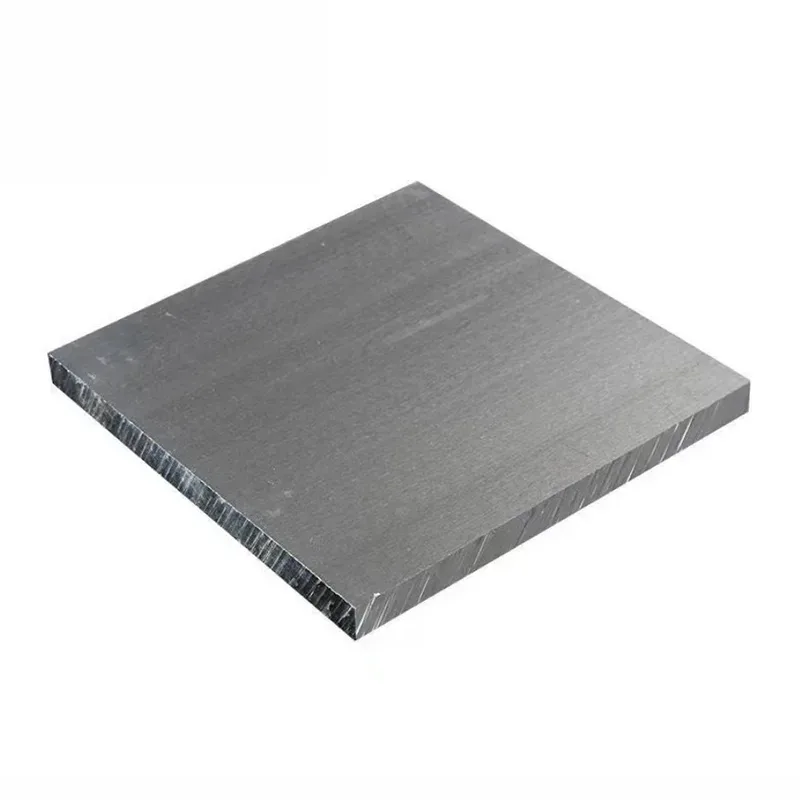
The main difference between 6061 and 7075 aluminum lies in their alloying elements and resulting mechanical properties.
6061 belongs to the 6000 series, with magnesium and silicon as its primary alloying elements. It can be strengthened through heat treatment and offers a useful balance of strength, ductility, corrosion resistance, and workability. In the T6 temper, its tensile strength is commonly around 290 MPa, although actual values depend on product form, dimensions, and applicable material standards.
Its balanced properties make 6061 suitable for structural components, machined parts, and applications that may require forming or welding. It is widely used when manufacturers need dependable mechanical performance without the higher material cost associated with some high-strength alloys.
7075 belongs to the 7000 series, with zinc as its primary alloying element, supported by magnesium and copper. In the T6 temper, its tensile strength can reach approximately 570 MPa for certain product forms and specifications. This is substantially higher than the typical strength of 6061-T6, making 7075 suitable for components exposed to high mechanical loads.
However, higher strength comes with trade-offs. 7075 generally offers lower ductility than 6061 and is not normally selected for conventional fusion welding because welding can cause cracking and reduce mechanical performance in the heat-affected zone. Its suitability depends on the part design, temper, and operating conditions.
| Property | 6061 Aluminum | 7075 Aluminum |
|---|---|---|
| Alloy series | 6000 series | 7000 series |
| Main alloying element | Magnesium and silicon | Zinc, with magnesium and copper |
| Typical T6 tensile strength | Approximately 290 MPa | Approximately 570 MPa |
| Corrosion resistance | Generally good | Generally lower than 6061 |
| Machinability | Good for general CNC machining | Good, with attention to cutting parameters and residual stress |
| Welding suitability | Generally more suitable for welding | Conventional fusion welding is generally not recommended |
| Relative material cost | Usually lower | Usually higher |
| Typical applications | Frames, fixtures, housings, brackets, and general machined parts | High-strength structural parts, aerospace components, and demanding mechanical applications |
Note: Mechanical properties vary by product form, thickness, temper, and applicable standards. Confirm the material certificate and specified requirements before final selection.
Both 6061 and 7075 aluminum are widely used for CNC milling, turning, and drilling. However, their different mechanical properties can influence cutting conditions, tool selection, dimensional stability, and the final surface finish.
6061 aluminum offers good machinability and is suitable for both simple and complex components. Under appropriate cutting conditions, it can produce consistent surface finishes and accurate dimensions without unnecessarily complicated processing. It is commonly used for custom fixtures, automation frames, pipe fittings, structural plates, equipment housings, and other general industrial parts.
For manufacturers producing multiple part types or large batches, 6061 can offer a practical balance between machining efficiency, material availability, and overall production cost.
7075 also performs well in CNC machining and is often selected when the finished component needs higher strength. However, its mechanical characteristics make process planning especially important. Cutting parameters, workholding, tool condition, and machining sequence should be selected carefully to control distortion and maintain dimensional accuracy.
For thin-walled or precision components, stress relief and intermediate inspection may be considered according to the material specification and part geometry. These measures help manufacturers manage machining risks when tight tolerances are required.
Corrosion resistance is an important consideration for components used outdoors, in humid environments, or in industrial equipment exposed to moisture and chemicals.
6061 generally provides good corrosion resistance in many normal service environments. It is suitable for numerous industrial components exposed to atmospheric moisture and can receive additional protection through anodizing, painting, or powder coating, depending on the application.
Its combination of corrosion resistance and mechanical performance makes it a practical option for equipment frames, transportation components, structural parts, and other applications where long-term serviceability matters.
7075 generally has lower corrosion resistance than 6061 and may be more susceptible to localized or intergranular corrosion under certain conditions. Its performance depends on the temper, environment, and surface condition. For demanding applications, protective coatings or suitable surface treatments may be required.
Both alloys can be anodized, but the final appearance and coating performance depend on the alloy composition, temper, pretreatment, and anodizing process. When a uniform decorative finish is important, manufacturers should evaluate samples from the intended production process.
Material cost and supply availability can significantly affect the total cost of a machining project. The best choice should consider not only the price per kilogram but also machining time, material waste, surface treatment, inspection requirements, and expected service life.
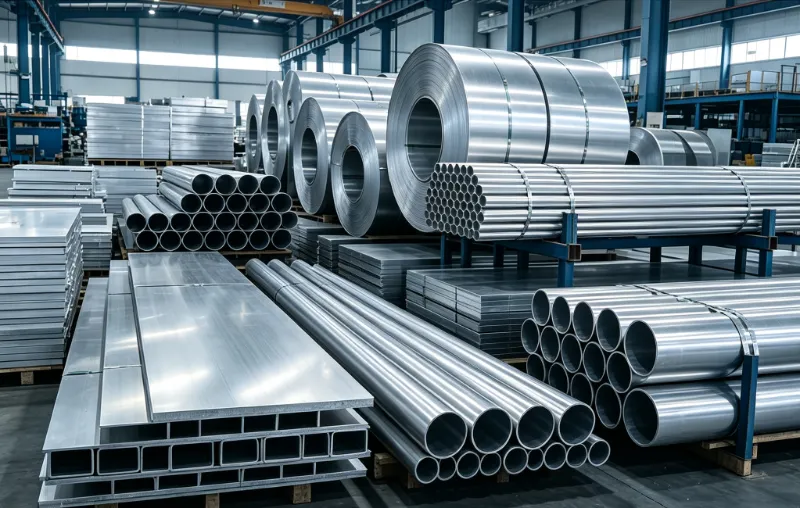
6061 aluminum is widely available in common product forms, including aluminum plate, round bar, pipe, and other stock shapes. Its broad availability and balanced processing properties make it a practical choice for many standard industrial applications. For larger production runs, selecting 6061 where its strength is sufficient can help control material and manufacturing costs.
7075 aluminum generally costs more than 6061 because of its alloy composition, processing requirements, and supply conditions. However, the additional expense may be justified when a component requires a higher strength-to-weight ratio or must withstand demanding mechanical loads.
Using a higher-strength alloy does not automatically improve every part. Engineers should confirm that 6061 cannot meet the design requirements before selecting 7075, particularly when the application also involves welding, corrosion exposure, or strict budget limits.
6061 aluminum is widely used in general industrial manufacturing because it combines useful strength, good corrosion resistance, and practical machining performance. Typical applications include:
For many projects, 6061 is a sensible choice when moderate-to-high strength, corrosion resistance, and manufacturing flexibility are more important than maximum tensile strength.
Shanghai Perfect Industry supplies 6061 aluminum plate, 6061 aluminum round bar, and 6061 aluminum pipe for customers requiring aluminum stock for machining and industrial manufacturing. Available forms and dimensions should be confirmed against the project specification.
7075 aluminum is generally selected for components where high strength and reduced weight are major design priorities. Typical applications may include:
Its suitability depends on the required temper, part geometry, fatigue conditions, corrosion exposure, and applicable industry standards. Applications involving welding or severe corrosive environments require particular attention during material selection.
Shanghai Perfect Industry also supplies 7075 aluminum plate and 7075 aluminum round bar for precision machining applications. Material grade, temper, dimensions, and inspection documents should be specified when requesting a quotation.
Before selecting 6061 or 7075 aluminum, engineers and sourcing teams should evaluate the component's operating conditions and manufacturing requirements. The following questions can help narrow down the options.
If the part must withstand high mechanical loads while keeping weight low, 7075 may be the better candidate. For general structural support, fixtures, housings, and many industrial components, 6061 may provide sufficient performance at a lower material cost. The final decision should be based on design loads and applicable material data rather than tensile strength alone.
When welding is part of the manufacturing process, 6061 is generally the more practical option. Welding 7075 using conventional fusion methods is usually avoided because of cracking risks and the potential loss of strength in the heat-affected zone. If welding is essential, consult a qualified materials or welding engineer before finalizing the alloy.
For outdoor and humid environments, 6061 generally offers better corrosion resistance. 7075 may still be suitable when its strength is necessary, but the design may require additional corrosion protection and more careful environmental evaluation.
Compare the full manufacturing cost rather than raw material prices alone. Factors include stock availability, cutting waste, CNC machining time, finishing, inspection, and potential rework. If 6061 meets the engineering requirements, it can often provide a more economical solution. The additional cost of 7075 is easier to justify when its strength is essential to the design.
Both alloys can be anodized and receive other suitable surface treatments. However, the appearance and performance of the finished surface may vary by alloy, temper, pretreatment, and process conditions. If color consistency, coating thickness, or corrosion performance is critical, request samples or agree on measurable acceptance criteria before mass production.
Selecting the correct alloy is only one part of producing reliable machined components. The consistency of the raw aluminum stock also affects dimensional accuracy, surface quality, machining stability, and the risk of rejected parts.
Variations in chemical composition, mechanical properties, internal quality, or material condition can create processing challenges. For precision parts, sourcing teams should verify the alloy grade, temper, dimensions, applicable standards, and inspection documentation before production begins.
Shanghai Perfect Industry supplies aluminum semi-finished products for industrial and machining applications. Its stated product range includes aluminum plate, aluminum round bar, aluminum pipe, and aluminum coil in grades such as 6061, 7075, 5052, and 2024, subject to availability.
According to the supplied company information, quality checks include chemical composition testing, mechanical property testing, and surface inspection before shipment. Mill test certificates can be requested to support material traceability. Buyers should confirm the specific documents and inspection scope available for each order.
Different machining projects require different stock forms, dimensions, and material conditions. Selecting the appropriate stock can help reduce machining waste and simplify production planning.
Shanghai Perfect Industry states that it supports size cutting according to customer requirements and supplies materials for automation, machinery, new energy, transportation, and precision machining industries. Actual dimensions, tolerances, grades, temper options, and lead times should be confirmed for each order.
For international sourcing, buyers should also clarify packaging, export documentation, delivery schedules, and material certification requirements before confirming the purchase.
Yes. In common T6 tempers, 7075 typically has substantially higher tensile strength than 6061. Exact values depend on product form, thickness, temper, and the applicable material standard.
Both alloys are suitable for CNC machining. 6061 is widely used for general machining because of its balanced properties and practical processing behavior. 7075 can also achieve good results, but process parameters and residual stress may require closer control for precision parts.
Both alloys can be anodized. However, coating appearance and performance vary with alloy composition, temper, pretreatment, and the anodizing process. Samples are recommended when consistent color or appearance is important.
6061 generally offers better corrosion resistance and is often preferred for outdoor components. 7075 may be used when high strength is essential, provided the design includes suitable corrosion protection for the operating environment.
6061 is generally less expensive and widely available, making it a practical choice for many mass-produced components. However, the most economical option depends on the required strength, machining operations, finishing, waste, and service-life requirements.
Provide the alloy grade, temper, product form, dimensions, required quantity, applicable standards, inspection documents, surface treatment, and destination. If the material will be machined into a specific component, a drawing and operating-condition details can help the supplier evaluate the request.
There is no universally superior choice between 6061 and 7075 aluminum. 6061 is a versatile and often cost-effective option for general industrial machining, especially where corrosion resistance, processing flexibility, and possible welding are important. 7075 is better suited to applications that require substantially higher strength and where its limitations in welding and corrosion resistance can be managed.
Shanghai Perfect Industry supplies aluminum semi-finished products for customers in machining and industrial manufacturing. Whether you need 6061 aluminum plate for fixture machining, 6061 aluminum round bar for turned parts, or 7075 aluminum plate for high-strength components, confirm the required grade, temper, dimensions, and documentation before ordering.
If you are evaluating materials for an upcoming project, share your drawings, operating conditions, material requirements, and expected quantity. Shanghai Perfect Industry can review product availability, cutting requirements, inspection documentation, and quotation details to help you select suitable aluminum stock for your machining needs.




![Inevitable Trends and Opportunities for the Aluminum Industry Amid the Wave of New Quality Productive Forces [SMM Aluminum Industry Conference]](https://www.pf-material.com/upload/8673/20260421143333421382.webp "Inevitable Trends and Opportunities for the Aluminum Industry Amid the Wave of New Quality Productive Forces [SMM Aluminum Industry Conference]")