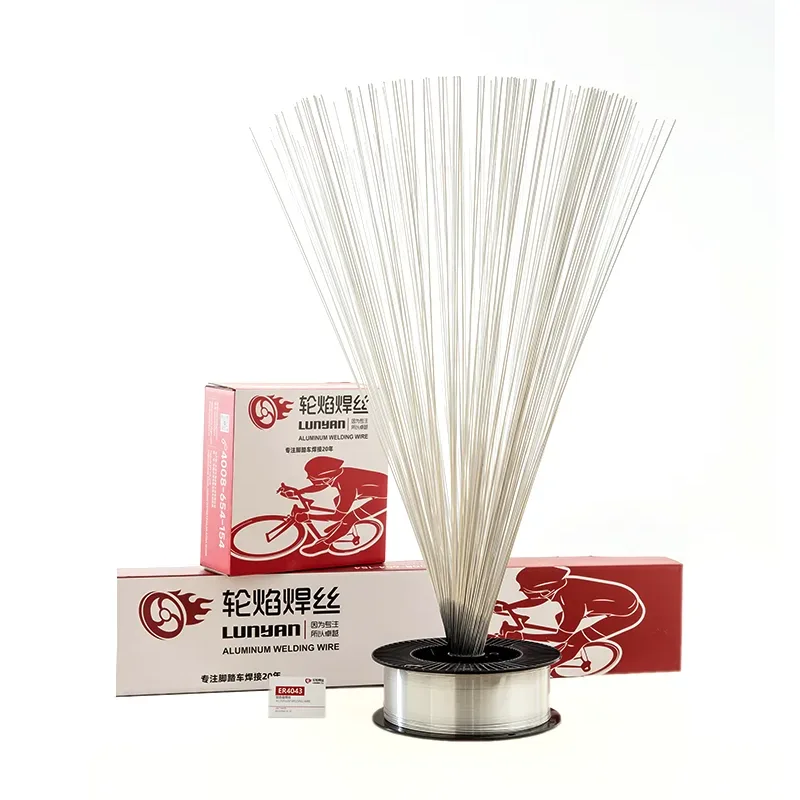
As lightweight structures become increasingly important across modern manufacturing, aluminum welding technology is receiving greater attention from engineers and fabrication specialists. Aluminum Alloy Welding Wire plays an important role in joining aluminum components where clean weld formation, stable feeding, corrosion resistance, and mechanical reliability are required. As fabrication processes become more automated and application requirements become more demanding, the selection of suitable welding consumables has become an important part of achieving consistent production quality.
The development of aluminum processing is closely connected with industries such as transportation, construction, new energy, electronics, and high-end equipment manufacturing. These sectors increasingly require materials that can support lightweight design while maintaining structural integrity. For this reason, welding consumables must be compatible with different aluminum alloys, joint configurations, welding processes, and production environments.
Aluminum offers a combination of low density, corrosion resistance, thermal conductivity, and attractive surface characteristics. These properties make it valuable for structures where weight reduction and long-term environmental resistance are important. However, aluminum also presents particular challenges during welding because its physical characteristics differ considerably from those of carbon steel and many other commonly welded metals.
When aluminum components are joined, the welding process must account for surface oxide, heat distribution, thermal expansion, and alloy composition. Improper material selection or process control can result in defects such as porosity, insufficient fusion, distortion, or inconsistent bead appearance. Professional welding operations therefore depend on a coordinated approach involving base material selection, joint preparation, welding parameters, shielding conditions, and appropriate filler material.
Different aluminum alloys have different chemical compositions and mechanical characteristics. A welding consumable should therefore be selected according to the base alloy and the intended application rather than simply according to the appearance of the material.
Proper compatibility helps maintain the desired balance between weld strength, ductility, corrosion resistance, and process stability. In demanding applications, engineers may also need to consider service temperature, exposure conditions, post-weld requirements, and the expected loading environment.
When these factors are evaluated together, welding operations can achieve more predictable joint performance. This is particularly valuable for components that must remain reliable under vibration, repeated loading, moisture, or changing environmental conditions.
Manufacturing efficiency depends on more than welding speed alone. Stable wire feeding, consistent arc behavior, controlled deposition, and reduced rework can all influence the overall productivity of a fabrication line. A well-designed welding consumable can contribute to a smoother production process by supporting stable operation across different welding conditions.
In automated and semi-automated production, consistency becomes especially important. Welding equipment relies on predictable material feeding to maintain a stable arc and uniform deposition. Variations in wire quality, surface condition, or dimensional consistency can affect the welding process and may increase the need for operator intervention.
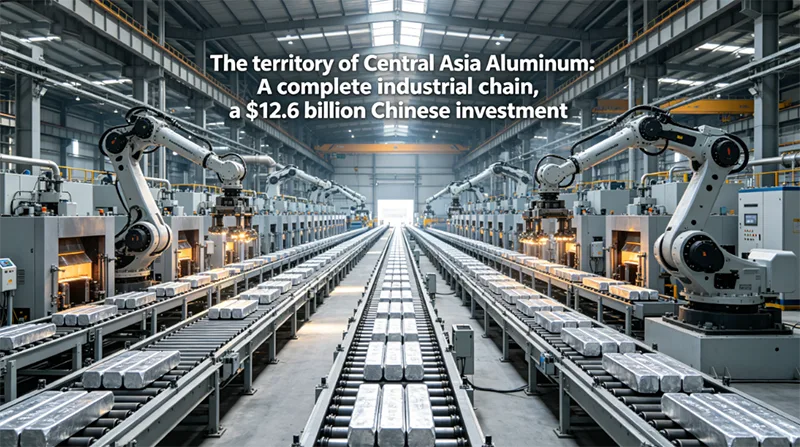
Automation is becoming increasingly common in industrial fabrication. Robotic welding systems and digitally controlled equipment can improve repeatability, but their performance is closely connected with the consistency of the welding consumable.
Reliable wire feeding helps maintain a continuous welding process and reduces unnecessary interruptions. When the consumable works smoothly with the welding equipment, manufacturers can achieve more consistent bead formation and improve production stability.
For automated applications, engineers may evaluate factors such as wire surface quality, dimensional consistency, packaging method, feeding behavior, and compatibility with the selected welding system. These considerations can have a direct influence on production efficiency and final weld quality.
Rework can increase material consumption, labor requirements, and production time. It may also interrupt downstream assembly operations. Consistent welding performance helps manufacturers reduce the possibility of avoidable defects and maintain a more predictable production schedule.
Good welding practice begins with proper preparation. Clean joint surfaces, suitable shielding gas, appropriate welding parameters, and correct consumable selection all contribute to a stable welding environment. When these elements are managed systematically, manufacturers can improve the repeatability of their fabrication processes.
| Manufacturing Factor | Contribution to Welding Performance |
|---|---|
| Wire Surface Quality | Supports stable feeding and consistent arc behavior |
| Alloy Compatibility | Helps achieve suitable mechanical and corrosion performance |
| Dimensional Consistency | Promotes reliable feeding during continuous production |
| Process Control | Improves repeatability and reduces unnecessary rework |
The expansion of lightweight engineering has created broader opportunities for aluminum joining technologies. From vehicle structures to renewable energy equipment, manufacturers are looking for practical ways to combine lightweight components without compromising structural performance.
Transportation is one of the major fields where aluminum fabrication has developed rapidly. Vehicle manufacturers and component producers use aluminum to reduce structural weight and improve overall energy efficiency. Reliable welding processes are essential for connecting frames, panels, housings, structural components, and other fabricated parts.
Modern transportation equipment must balance structural strength, energy efficiency, durability, and manufacturing cost. Aluminum is well suited to lightweight structural design, but joining methods must be carefully controlled to preserve the performance of the assembled structure.
Welding technology provides manufacturers with flexible options for producing complex aluminum assemblies. Consistent filler material helps support repeatable joint formation and contributes to efficient production across both manual and automated fabrication environments.
As transportation systems continue to evolve toward greater efficiency and electrification, aluminum joining technology is expected to remain relevant in the manufacture of vehicle bodies, battery-related structures, heat management components, and supporting equipment.
The growth of renewable energy and electrified transportation has created new requirements for lightweight and corrosion-resistant metal structures. Aluminum is frequently considered for equipment housings, structural assemblies, thermal management components, and other applications where weight and environmental resistance are important.
New energy manufacturing also places strong emphasis on production consistency. Components may need to meet strict dimensional and quality requirements before entering final assembly. Reliable welding materials and controlled fabrication processes can help manufacturers maintain the required level of production stability.
Aluminum is also widely used in construction and architectural applications. Its corrosion resistance, appearance, and processing flexibility make it suitable for various structural and decorative applications.
In fabricated architectural components, weld quality can influence both structural reliability and surface appearance. Professional welding practices help reduce visible defects while maintaining the required joint characteristics. This makes material selection and process control important considerations for aluminum fabrication workshops and construction component manufacturers.
Selecting a welding consumable should be treated as part of the overall engineering process. The correct choice depends on the aluminum alloy being joined, the welding method, the desired mechanical properties, the service environment, and the requirements of the finished assembly.
Engineers should first identify the base material and understand its chemical and mechanical characteristics. The selected filler material should then provide an appropriate balance between strength, ductility, corrosion resistance, weldability, and appearance.
The relationship between the base alloy and filler material is a fundamental consideration. Different alloys can respond differently to heat input and welding conditions. Joint geometry can also influence penetration, heat distribution, access, and deposition requirements.
A suitable welding material should work effectively with the selected joint design and fabrication method. Engineers may need to consider whether the application involves butt joints, lap joints, fillet welds, or more complex configurations.
The environment in which a welded component operates can affect material selection. Components exposed to moisture, chemicals, outdoor conditions, vibration, or temperature changes may require specific performance characteristics.
For long-term industrial applications, corrosion resistance is particularly important. A properly selected aluminum filler material can help maintain joint integrity while supporting the service requirements of the finished structure.
Aluminum surfaces require careful preparation before welding. The naturally formed oxide layer has a significantly higher melting temperature than the underlying aluminum, which can interfere with welding if the surface is not appropriately prepared.
Cleaning, joint preparation, shielding gas management, torch positioning, and heat input should therefore be controlled as part of a complete welding procedure. The consumable itself cannot compensate for poor process conditions, so successful fabrication requires coordination between material quality and welding practice.
Quality management in aluminum processing is moving toward more systematic and traceable production methods. Manufacturers increasingly use standardized procedures, inspection systems, process documentation, and intelligent manufacturing technologies to improve product consistency.
For welding materials, quality control can involve inspection of chemical composition, dimensional consistency, surface condition, feeding characteristics, packaging integrity, and applicable technical requirements. These measures help ensure that the material performs consistently during fabrication.
Modern quality management also emphasizes process traceability. When production information can be effectively recorded and reviewed, manufacturers can identify potential variations more efficiently and make informed improvements to their processes.
A reliable quality system should cover the complete production cycle rather than focus only on final inspection. Raw material control, processing conditions, equipment management, in-process inspection, packaging, and storage can all affect the quality of aluminum products and welding consumables.
Integrated quality management helps manufacturers create a more stable relationship between material properties and production performance. This approach is particularly useful for industries that require dependable quality across repeated manufacturing cycles.
| Quality Stage | Primary Objective |
|---|---|
| Material Verification | Confirm consistency with technical requirements |
| Process Monitoring | Maintain stable manufacturing conditions |
| Product Inspection | Identify potential quality variations |
| Storage and Distribution | Protect product condition before application |
Intelligent manufacturing is changing the aluminum processing industry by connecting production equipment, quality management, warehousing, and supply chain operations. Digital systems can improve information flow and help manufacturers respond more effectively to changing market requirements.
For aluminum processing enterprises, intelligent manufacturing can support more efficient production planning and stronger quality consistency. Automated equipment can perform repetitive operations with greater repeatability, while digital management systems help coordinate different stages of production and distribution.
This approach is especially valuable when serving multiple industries with different technical requirements. Construction, transportation, new energy, electronics, and high-end equipment manufacturing may each require different material characteristics and processing solutions. A flexible manufacturing system enables an enterprise to respond to these needs while maintaining professional quality standards.
The future of aluminum welding will be influenced by lightweight engineering, automation, electrification, and sustainable manufacturing. As industrial structures become more sophisticated, welding materials will need to support increasingly precise and efficient fabrication processes.
Automation will continue to encourage demand for consumables with stable feeding and predictable welding behavior. At the same time, advanced equipment manufacturers will place greater emphasis on process monitoring and quality traceability.
Sustainability is another important consideration. Lightweight aluminum structures can contribute to lower energy consumption in transportation and equipment applications, while improved manufacturing efficiency can help reduce unnecessary material waste. These trends are encouraging aluminum processors and welding material manufacturers to continue improving both product performance and production technology.
The next stage of aluminum fabrication is likely to focus on the integration of materials, equipment, process engineering, and digital manufacturing. Rather than evaluating a welding consumable as an isolated component, manufacturers are increasingly considering how the material performs within the entire production system.
This integrated approach can help improve welding consistency, reduce process variation, optimize production efficiency, and support the development of more reliable aluminum structures. It also creates opportunities for manufacturers with strong technical capabilities to provide broader material and processing solutions.
Against this background, Shanghai Perfect New Materials Technology Co., Ltd. continues to develop its capabilities in aluminum processing, manufacturing, sales, and distribution. Founded in Shanghai, the company has established a modern industrial operation serving multiple application sectors, including construction, transportation, new energy, electronics, and high-end equipment manufacturing.
The company combines professional aluminum processing expertise with advanced intelligent manufacturing capabilities. Through cooperation with the intelligent manufacturing system of Shandong Qiming Technology Co., Ltd. and the smart warehousing network of Mingchang Aluminum (Jiangsu) Co., Ltd., the group strengthens coordination between manufacturing and supply chain operations.
Its commitment to quality is supported by ISO/TS 16949 and other international standards, reflecting a focus on consistent production and industrial application requirements. With an experienced technical team and a comprehensive aluminum industry service system, Shanghai Perfect New Materials Technology Co., Ltd. is positioned to provide dependable aluminum solutions for customers seeking stable material performance and professional manufacturing support.
As lightweight manufacturing and advanced joining technologies continue to develop, reliable aluminum materials will remain an important part of modern industrial production. By combining manufacturing technology, quality management, technical expertise, and supply chain capabilities, Shanghai Perfect New Materials Technology Co., Ltd. continues to pursue its core value of “Crafting Excellence with Aluminum, Building a Prosperous Future,” supporting the evolving needs of global aluminum applications.