Global demand for aluminum semi-finished materials continues to rise, driven by the booming new energy sector, infrastructure construction, automotive lightweight transformation and industrial equipment manufacturing. More and more international buyers source aluminum alloy products from overseas manufacturers to optimize their supply chains and control raw material costs. However, cross-border procurement of aluminum alloys comes with multiple hidden risks, including inconsistent material grades, non-compliant export documentation, unexpected tariff adjustments, quality defects during transit, delayed shipments and mismatched technical specifications. If these risks are not well managed, buyers may face production shutdown, customs detention, financial losses and long-term supply instability. This article systematically analyzes common risks in aluminum alloy import procurement and shares practical solutions to help global importers build safer, more stable aluminum sourcing systems.
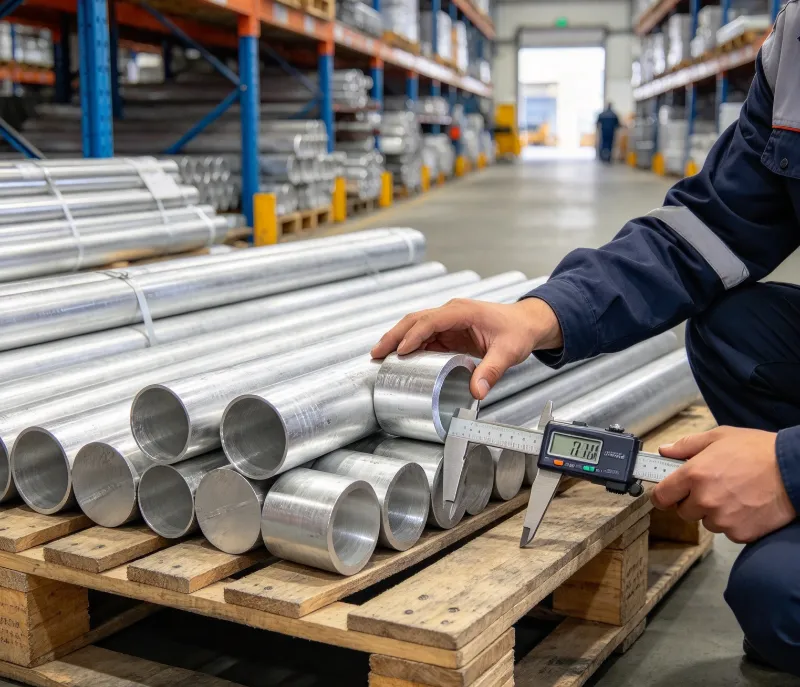
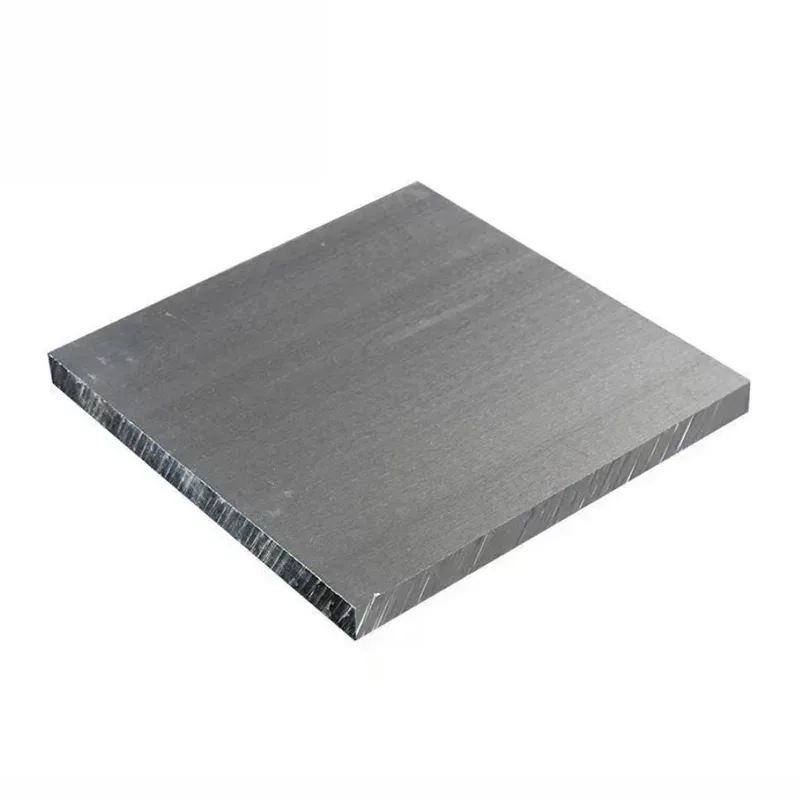
The first and most frequent risk in aluminum alloy import procurement is material quality and specification deviation. Many procurement disputes arise from vague technical requirements on purchase orders. Some suppliers may deliver aluminum products with incorrect alloy series, wrong temper status or out-of-tolerance dimensions when the contract lacks precise written standards. For instance, orders marked simply as “aluminum plate” without specifying alloy grade such as 6061 or 7075, ASTM or EN execution standards, thickness tolerance and surface requirements, leave room for non-conforming deliveries. Substitution of low-grade aluminum alloy is another severe issue. Some unqualified suppliers replace 7-series high-strength aluminum round bar with cheaper 6-series material to cut costs, which can lead to catastrophic failure for mechanical, aerospace and automotive components. Surface defects are also common risks: scratches, roller marks, oxidation and edge damage may occur on aluminum coil and aluminum pipe during rolling, processing or packaging.
To mitigate quality risks, buyers must define all technical indicators clearly before confirming orders. The purchase contract and proforma invoice should specify alloy series, temper, dimension tolerance, surface standard, testing requirements and corresponding international standards. Requesting Mill Test Report (MTR) for each batch is mandatory, which records chemical composition and mechanical property data matching the batch number of aluminum plate, aluminum round bar, aluminum pipe and aluminum coil. For first-time cooperation or large bulk orders, arranging pre-shipment inspection by third-party organizations like SGS or Intertek is highly recommended. A trial small order before large-volume procurement can also verify the supplier's real production capability, product quality, packaging standard and document accuracy.
The second major risk category involves trade compliance, customs documentation and tariff uncertainty. Aluminum products are subject to complex international trade rules, anti-dumping duties, carbon border regulations and HS code classification. Incorrect HS code declaration is a common mistake; misclassification of aluminum plate, aluminum pipe or aluminum coil will trigger customs inspection, cargo detention, fines or additional duty charges. Buyers also need to keep track of updated anti-dumping and countervailing policies of destination countries, as tariff adjustments can drastically change the total landed cost beyond the original budget. Incomplete or inconsistent export documents, such as mismatched commercial invoice, packing list, certificate of origin and material test certificates, will cause customs clearance delays. Many importers only focus on unit price while ignoring hidden costs including inland transport, port handling, inspection fees, insurance and duties, resulting in underestimated total procurement expenditure.
For compliance risk control, buyers should confirm HS code, applicable tariff rates and trade policies for target markets at the very beginning of sourcing. Work with suppliers who have rich export experience and can provide full sets of standardized export documents. Reliable suppliers will check every document item to ensure all descriptions of aluminum alloy goods are consistent across all paperwork. It is essential to calculate full landed cost rather than only compare FOB unit prices when evaluating quotations. Buyers can also negotiate reasonable payment terms to balance cash flow and risk protection. For new partners, terms combining deposit and balance against pre-shipment inspection reports are widely adopted; large contracts may use irrevocable letters of credit to secure both parties’ interests.
Thirdly, logistics, packaging and lead time risks cannot be overlooked. Aluminum materials are sensitive to moisture, collision and friction. Poor packaging will cause scratches, deformation and oxidation during sea transportation, especially for aluminum coil and thin aluminum plate. Improper pallet fixing or waterproof wrapping often results in cargo damage when containers are loaded and unloaded. In addition, global shipping volatility, port congestion and vessel schedule changes may cause ETD delays. If the supplier fails to reserve shipping space in advance or lacks sufficient inventory capacity, delayed delivery will directly interrupt buyers’ production plans. Inventory shortage is another hidden trouble. Many small manufacturers only start production after receiving orders and cannot respond quickly to urgent demand surges.
Professional packaging and stable inventory reserve are effective countermeasures. Qualified aluminum suppliers adopt waterproof films, desiccants, protective wrapping and sturdy wooden pallets for aluminum pipe, aluminum round bar, aluminum plate and aluminum coil to avoid moisture and mechanical damage during long ocean transit. Buyers should confirm packaging standards in advance and request photos or videos before container loading. Choosing suppliers with ready stock can greatly shorten lead time and buffer the impact of shipping fluctuations. When negotiating delivery schedules, reserve a reasonable buffer period to handle unexpected logistics disruptions
Supplier qualification risk forms the fourth core challenge. Not all vendors claiming to supply aluminum alloys own independent production and quality control systems. Some middlemen cannot guarantee stable raw material sources and technical consistency. Buyers should evaluate suppliers comprehensively instead of selecting partners purely based on low quotations. Key evaluation dimensions include factory production scale, alloy processing capacity, quality control system, export history, after-sales service and ability to customize specifications. A trustworthy aluminum supplier can not only deliver standard aluminum plate, aluminum round bar, aluminum pipe and aluminum coil, but also provide cutting, sawing, surface treatment and customized processing services according to client drawings.
As a trusted supplier of aluminum semi-finished products, Shanghai Perfect Industry specializes in 1-series to 7-series aluminum alloy materials, with abundant ready inventory covering aluminum plate, aluminum round bar, aluminum pipe and aluminum coil. Our company has built a complete quality management system, every batch of products is inspected strictly before shipment and comes with official Mill Test Report to guarantee chemical composition and mechanical performance fully comply with ASTM, EN and other international standards. Our product portfolio covers multiple common alloy grades such as 1050, 3003, 5052, 6061, 6063 and 7075. These materials are widely supplied for new energy equipment, construction, transportation, machinery manufacturing and aerospace industries.
Beyond standard products, Shanghai Perfect Industry offers customized processing services including cutting, machining, surface finishing and length slitting to meet diversified project requirements. Our team possesses years of aluminum export experience, familiar with export documentation, customs declaration requirements and trade policies for different regions across Southeast Asia, Middle East, Europe, North America and Africa. We assist clients to confirm HS codes, certificate of origin and other compliance files, helping importers reduce customs clearance risks. We maintain large stock of core aluminum products in our warehouse, which enables us to arrange fast shipment for urgent orders and offer stable lead time even during market volatility. Our professional technical team provides one-stop support, helping customers select suitable aluminum alloy grades, confirm specifications and solve material application questions. We also provide pre-shipment inspection support and cargo loading photos to keep clients updated throughout the whole order cycle. After shipment, our customer service team tracks vessel status and responds promptly if any unexpected problems emerge.
Effective risk reduction for aluminum alloy import procurement is a continuous systematic work, covering supplier audit, technical specification confirmation, contract clause review, quality inspection, document preparation, logistics monitoring and after-sales coordination. Low price should never be the sole decision factor; total landed cost, stable quality, complete compliance service and reliable after-sales support determine long-term procurement value. Working with a professional, well-qualified aluminum supplier like Shanghai Perfect Industry helps international buyers minimize cross-border sourcing risks, stabilize raw material supply chain and gain stronger competitiveness in their local markets. As global aluminum demand keeps evolving, importers who build standardized procurement risk control frameworks will seize more sustainable business opportunities.