
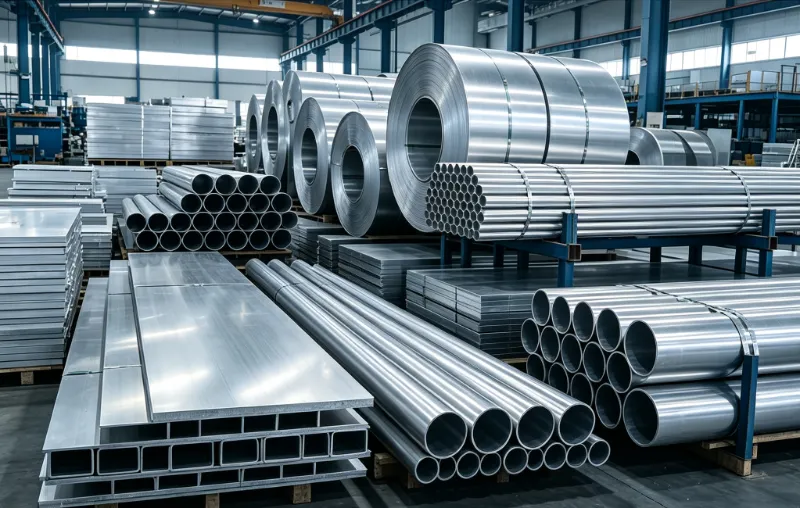
The global aluminum material market is experiencing profound transformation amid energy transition, urbanization and manufacturing relocation. Driven by large‑scale infrastructure construction, booming renewable‑energy investment and the global push for industrial lightweighting, multiple geographical regions have become major consumption hotspots for a wide range of aluminum semi‑finished goods, including aluminum plate, aluminum round bar, aluminum pipe, aluminum coil as well as extruded aluminum profiles. Thanks to their exceptional comprehensive properties including high strength‑to‑weight ratio, outstanding corrosion resistance, easy machinability and infinite recyclability, these aluminum products have evolved into irreplaceable foundational materials for diverse sectors ranging from architecture and new‑energy vehicles to photovoltaic systems, industrial automation equipment and transportation hardware. The surging regional demand not only reshapes the competitive landscape of the whole aluminum supply chain, but also creates substantial export opportunities for qualified aluminum manufacturers such as Shanghai Perfect Industry and other international material suppliers. Our core offering covers aluminum plate, aluminum round bar, aluminum pipe and aluminum coil across 1‑7xxx alloy series, available both from ready warehouse stock and custom‑tailored production to match local market requirements worldwide.
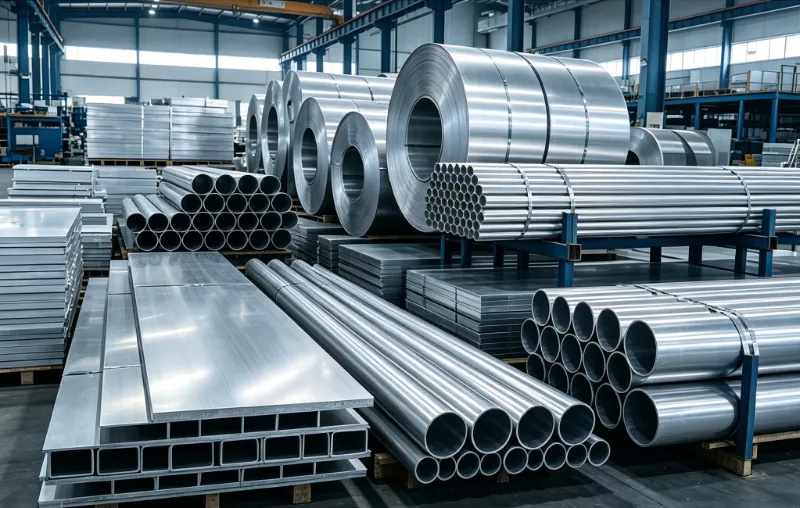
Southeast Asia stands out as one of the fastest‑expanding consumer markets for aluminum materials. Countries including Vietnam, Indonesia, Thailand and Malaysia are undergoing rapid urban construction and undertaking large‑scale manufacturing transfer from high‑cost regions. Massive residential complexes, commercial plazas, industrial parks and transportation facilities are being constructed across these nations, generating steady and growing consumption of construction‑grade aluminum coil and aluminum plate for roofing, cladding, doors, windows and curtain‑wall frameworks. Beyond building applications, Southeast Asia’s automotive, electronics and machinery industries keep expanding. Numerous multinational component manufacturers have set‑up local production bases, generating strong demand for industrial‑grade aluminum round bar, aluminum pipe and thick aluminum plate used in production‑line frames, equipment housings, assembly jigs, automation workstations and mechanical spare‑part fabrication. Furthermore, the photovoltaic industry is witnessing explosive growth throughout Southeast Asia. Apart from aluminum profile mounting frames, solar‑equipment manufacturers also order aluminum coil for component casing, aluminum pipe for fluid circulation structures and aluminum round bar for fixture manufacturing. These aluminum goods perfectly adapt to the region’s hot, humid and rainy tropical climate while lowering long‑term maintenance expenses for solar projects. Although local primary aluminum smelting capacity has expanded in recent years, domestic deep‑processing capacity for high‑precision multi‑alloy‑grade aluminum plate, aluminum round bar, aluminum pipe and aluminum coil still falls short of market requirements. A considerable share of high‑performance industrial aluminum semi‑finished products must be imported from overseas, opening up long‑term business space for international suppliers.
The Middle‑East Gulf region represents another high‑potential market with robust upward demand for aluminum materials. Gulf Cooperation Council nations keep pouring capital into landmark urban complexes, expanded airport terminals, metro transit networks and utility‑scale renewable‑energy installations. Local construction projects widely adopt aluminum plate and aluminum coil for exterior building cladding, as these materials deliver both aesthetic appearance and reliable anti‑corrosion performance to withstand intense ultraviolet radiation and dry, dusty desert conditions. In parallel, ambitious national solar energy strategies have been rolled out across the region. Gigawatt‑level solar‑park projects are continuously launched, bringing sustained bulk orders for special‑purpose aluminum products: aluminum coil for solar module backing structures, aluminum pipe for support assemblies, aluminum round bar for connection fittings and thick aluminum plate for power‑station mechanical bases. End‑users in the Middle‑East place heavy emphasis on product consistency, long service lifespan and complete sets of material test certificates conforming to ASTM and EN standards for every batch of aluminum plate, aluminum round bar, aluminum pipe and aluminum coil. Even though the Middle‑East possesses abundant bauxite and primary‑aluminum resources, local factories lack sufficient capacity for sophisticated deep processing. Most high‑end custom aluminum semi‑finished goods required by landmark infrastructure and new‑energy projects still rely heavily on cross‑border imports.
Latin America, represented by Mexico and Brazil, shows steadily rising market appetite for aluminum materials. Mexico benefits greatly from regional automotive‑supply‑chain restructuring. Many global original‑equipment manufacturers have established local assembly plants, driving strong demand for lightweight aluminum products: high‑strength aluminum plate for battery trays, aluminum round bar for chassis components, seamless aluminum pipe for cooling circuits and aluminum coil for vehicle interior and exterior panels. Meanwhile, large‑scale urban‑renewal and public‑infrastructure‑renovation initiatives in Brazil boost consumption of construction‑category aluminum coil and aluminum plate for real‑estate and public‑works projects. Nevertheless, Latin‑American procurement activities are constrained by periodic economic volatility, currency fluctuation and imperfect regional logistics networks. Local importers and end‑users actively search for trustworthy overseas manufacturers that can guarantee stable lead‑times, consistent batch quality and competitive pricing on aluminum plate, aluminum round bar, aluminum pipe and aluminum coil. Many buyers in this region prefer to establish long‑term framework‑purchase partnerships instead of placing sporadic one‑off orders.
Africa is regarded as a market with enormous long‑term growth potential for aluminum‑material traders. Many African governments are prioritizing investments in highway networks, railway routes, affordable‑housing programs and public municipal facilities. Accelerating urbanization pushes up demand for cost‑effective, durable aluminum coil and aluminum plate for building decoration and infrastructure fabrication. In addition, off‑grid and distributed solar‑power solutions are gaining popularity across vast rural zones, creating consistent market needs for aluminum round bar and aluminum pipe used in small‑and‑medium‑sized photovoltaic mounting systems and auxiliary hardware. At the present stage, most African purchasers prioritize cost control, and the majority of orders focus on standard‑specification general‑purpose aluminum plate, aluminum coil, aluminum round bar and aluminum pipe. As local industrialization advances in the coming decade, market requirements for high‑precision, custom‑made aluminum semi‑finished products will gradually expand.
The European market maintains stable total consumption with distinct market characteristics shaped by carbon‑neutrality policies. Driven by strict carbon‑reduction regulations, Europe accelerates deployment of photovoltaic power stations, energy‑storage systems and new‑energy‑vehicle production capacity. Aluminum’s unique recyclable property aligns perfectly with regional low‑carbon development targets, supporting solid demand for multiple types of aluminum goods, including aluminum plate, aluminum coil, aluminum round bar and aluminum pipe. It should be highlighted that European importers enforce stringent thresholds concerning material composition, environmental certification and carbon‑footprint assessment. All imported aluminum plate, aluminum round bar, aluminum pipe and aluminum coil must pass corresponding compliance verification, which substantially raises market‑entry barriers for overseas manufacturers. Enterprises engaged in exports toward Europe also need to closely monitor evolving trade policies, anti‑dumping measures and import‑tariff adjustments.
Several common underlying factors fuel the rising demand across all these regions. First, global carbon‑neutrality agendas push industries to replace traditional heavy‑weight steel with recyclable aluminum materials such as aluminum plate, aluminum coil, aluminum round bar and aluminum pipe. Second, worldwide lightweight transformation within transportation and mechanical‑equipment sectors stimulates market uptake of high‑performance alloy grades including 5052, 6061, 6082 and 7075, widely available as aluminum plate, aluminum round bar, seamless aluminum pipe and aluminum coil. Third, the global photovoltaic boom remains the most powerful driving force for aluminum‑material consumption, and this growth momentum is projected to persist over the next five to ten years.
Even with promising market prospects, the whole industry faces notable challenges. Volatile primary‑aluminum ingot prices continuously disturb buyers' procurement budgets. Cross‑border trade barriers, changing customs rules and surging international‑logistics costs may alter overall project expenses and actual delivery schedules. Moreover, each geographical market holds different expectations for alloy grades, surface‑treatment effects, dimensional tolerances and certification documents for aluminum plate, aluminum round bar, aluminum pipe and aluminum coil. Generic one‑size‑fits‑all product solutions cannot satisfy diversified local requirements. Successful suppliers have to optimize their product portfolios and service workflows according to target‑market features, balancing spot stock supply and custom processing capacity.
For aluminum‑material manufacturers and international exporters, those booming regional markets bring both opportunities and risks. It is essential to thoroughly study local industry specifications, prepare complete qualification documents, maintain reasonable stock levels of mainstream aluminum plate, aluminum round bar, aluminum pipe and aluminum coil specifications, and offer flexible shipment arrangements. Cultivating stable cooperative relationships with local distributors and terminal end‑users generates far greater value than pursuing only occasional spot orders.
Looking into the future, the growth pace of aluminum‑material consumption will continue to vary from region to region. Emerging markets covering Southeast Asia, the Middle East and Latin America will keep recording fast‑paced demand expansion for aluminum plate, aluminum round bar, aluminum pipe and aluminum coil, while the European market will keep emphasizing low‑carbon attributes and strict compliance standards. Manufacturing enterprises equipped with comprehensive product ranges, dependable quality control systems and mature export‑operation capabilities are best positioned to capture growing shares within global aluminum‑material trade.





![Inevitable Trends and Opportunities for the Aluminum Industry Amid the Wave of New Quality Productive Forces [SMM Aluminum Industry Conference]](https://www.pf-material.com/upload/8673/20260421143333421382.webp "Inevitable Trends and Opportunities for the Aluminum Industry Amid the Wave of New Quality Productive Forces [SMM Aluminum Industry Conference]")