Modern architecture is defined by its skin—the facade. It is the interface between the built environment and the natural world, responsible for aesthetics, energy efficiency, and structural protection. In this context, aluminum alloy coils have emerged as the material of choice for architects and builders worldwide. But how exactly are these versatile coils transforming the skyline? This article delves deep into the technical and practical applications of aluminum alloy coils, explaining their pivotal role in contemporary facade systems.
At Shanghai Perfect Industry Co.,Ltd., we have spent two decades refining the production of high-grade Aluminum Alloy Coils. Our experience has shown that the success of any facade project begins with the quality of the raw coil. From the iconic shimmer of a downtown skyscraper to the sleek lines of an airport terminal, these coils are the unsung heroes. In this comprehensive guide, we will walk you through the technical specifications, application methods, and common questions surrounding the use of aluminum alloy coils in architectural facades.
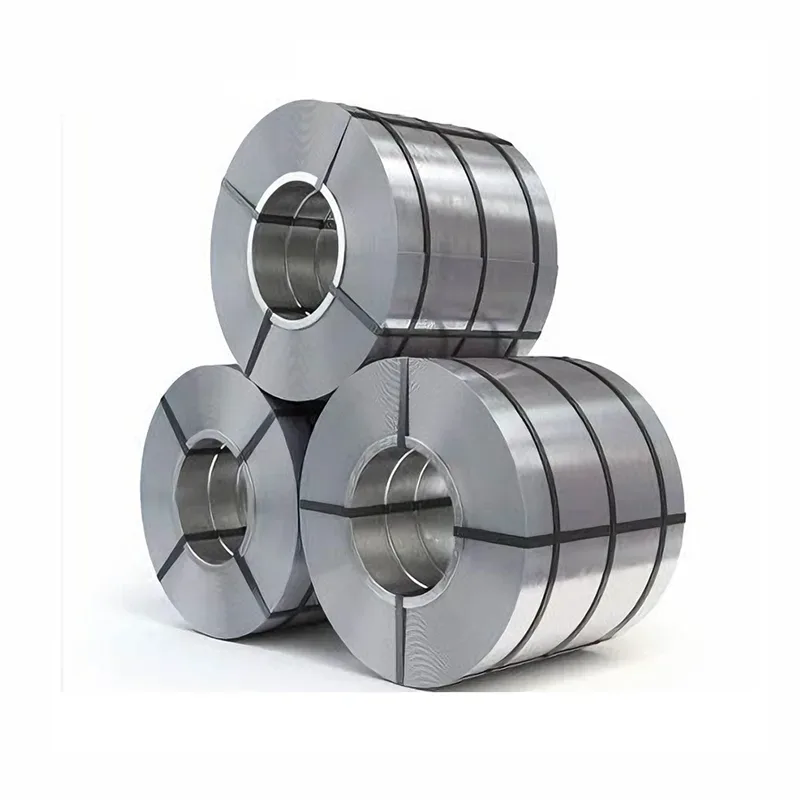
The selection of a facade material is a complex decision involving structural mechanics, environmental resistance, and design flexibility. Aluminum alloy coils satisfy these demands in a way few other materials can. Their inherent properties—lightweight strength, corrosion resistance, and formability—make them the backbone of rainscreen systems, curtain walls, and composite panels.
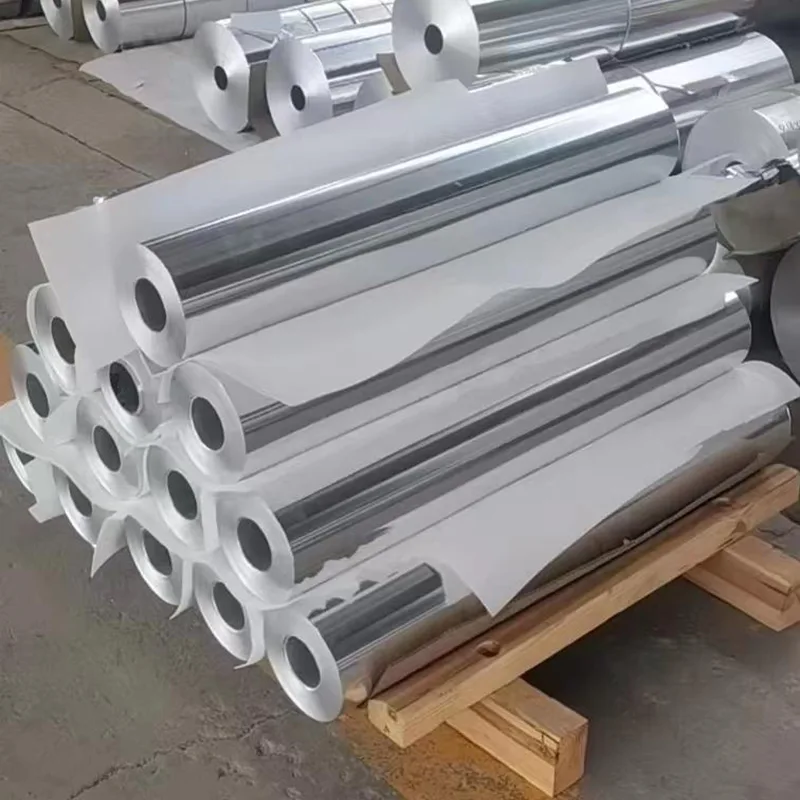
Our factory utilizes advanced continuous casting and cold rolling processes to ensure that every batch of Aluminum Alloy Coils meets the stringent flatness and thickness tolerances required for architectural work. The core advantage lies in the material's ability to be both strong and light. A typical facade panel made from our coils weighs significantly less than steel or copper, reducing the dead load on the building structure and allowing for larger, more dramatic panel sizes.
When we discuss the use of these coils, we focus on three pillars: durability, aesthetics, and sustainability. Aluminum naturally forms a protective oxide layer, which, when enhanced with our factory's pre-treatment lines, provides a bulletproof base for coatings. This ensures that the facade will not chalk, fade, or corrode even after decades of exposure to urban pollution or coastal salt spray.
Here is a breakdown of why our aluminum alloy coils are specified by top architects:
The adaptability of aluminum alloy coils allows for the integration of insulation backing, vapor barriers, and even photovoltaic films directly onto the metal surface. Shanghai Perfect Industry Co.,Ltd. supplies coils that are specifically engineered for lamination and bonding processes used in Aluminum Composite Panels (ACP). By controlling the metallurgy of the core alloy, our factory ensures that the final facade panel remains perfectly flat under thermal expansion and contraction, a critical factor for maintaining watertight seals and visual consistency in modern architecture.
Not all aluminum is created equal. For architectural facades, the specific alloy and temper—such as AA3005 H44 or AA5005 H24—dictate how the material behaves during fabrication and over its service life. The temper indicates the degree of work hardening and thermal treatment. For example, H24 (strain-hardened and partially annealed) offers an excellent balance of strength and formability for roll-forming intricate profiles.
Our factory specializes in producing coils with a controlled grain structure. This is vital because when a coil is bent to create a corner in a facade cassette, an inconsistent grain can lead to orange-peel texturing or cracking. We ensure that our Aluminum Alloy Coils possess the elongation properties necessary for deep drawing and sharp bends without micro-fractures that could later propagate corrosion.
The second half of the equation is the surface finish. Modern facades use either PVDF (polyvinylidene fluoride) or polyester powder coatings applied in continuous coil coating lines. This process, where the coil is unwound, cleaned, primed, top-coated, and baked in a single pass, creates a finish far more durable and uniform than spray painting after fabrication.
Below is a technical comparison of coating systems available on our coils:
| Coating Type | Typical Thickness | Key Feature | Best Application |
| PVDF (70% Resin) | 25-35 µm | Superior UV & chemical resistance | High-exposure skyscrapers, coastal zones |
| Polyester (FEVE) | 20-25 µm | Excellent color & gloss retention | Mid-rise commercial, interior facades |
| Anodized | 5-25 µm (oxide layer) | Metallic finish, extreme hardness | Designer prestige projects, high-traffic areas |
| High-Durability Polyester | 25 µm | Good balance of cost & durability | Industrial buildings, warehouses |
The choice of coating directly impacts the warranty and maintenance cycle of the facade. For projects requiring a 20-year color warranty, our factory recommends PVDF-coated aluminum alloy coils. The fluorocarbon resin matrix resists the breakdown of pigment molecules, ensuring that a building's signature color remains vibrant. Furthermore, the coil coating process encapsulates the edges of the metal, providing full coverage that cut edges alone cannot offer, thus sealing the most vulnerable part of the facade panel.
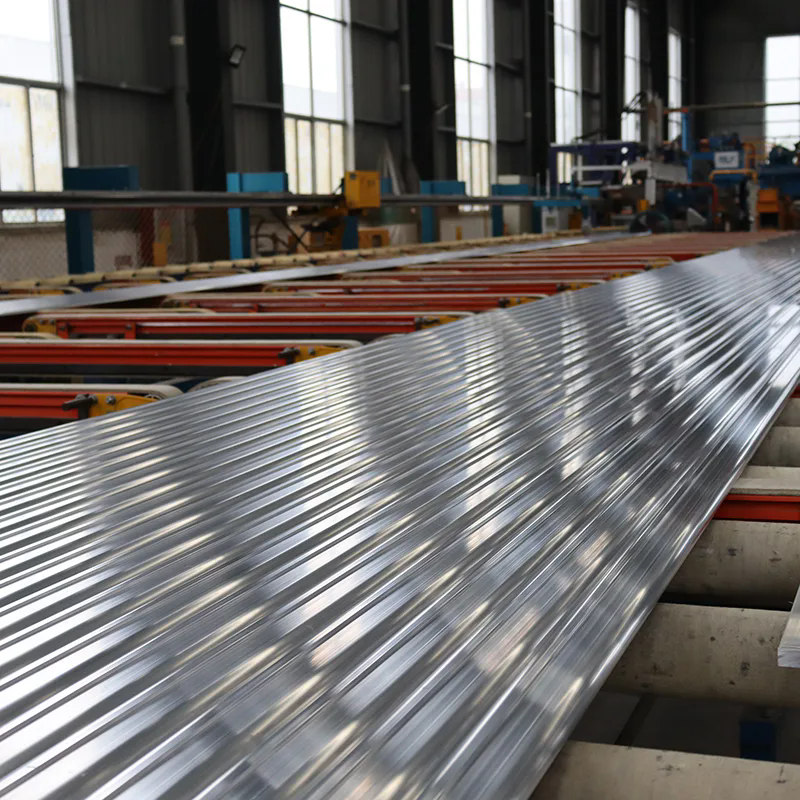
The journey from coil to completed facade involves several precise manufacturing steps. Once the coated aluminum alloy coils arrive at a fabricator, they are typically fed into automated roll-forming lines or press brakes. For rainscreen systems, the coil is cut to length and formed into cassettes—shallow boxes with folded edges that create a clean, shadowed joint when installed. Our factory ensures that the material's temper allows for these folds to be crisp and consistent.
Another common application is in composite panels. Here, our aluminum alloy coils are used as the outer skins bonded to a polyethylene or fire-retardant mineral core. The composite provides ultimate flatness and rigidity. The processing of these coils requires a perfectly clean, oil-free surface to ensure a molecular bond with the core material. At Shanghai Perfect Industry Co.,Ltd., we strictly control the residual oil levels on our coils to meet the demanding lamination requirements of panel manufacturers.
On-site, the installation follows either a "face-sealed" or "drained and back-ventilated" principle. Modern facades almost exclusively use the latter. Panels fabricated from our aluminum alloy coils are hung on a subframe system, leaving an air cavity between the insulation and the panel. This cavity allows moisture vapor to escape, preventing condensation and mildew, which is crucial for building health.
The success of the installation hinges on the quality of the starting material. Inconsistent thickness across the width of a coil can cause alignment issues during installation. Our factory employs closed-loop gauge control systems to maintain a tolerance of +/- 0.005mm across the entire coil width, guaranteeing that every meter of material behaves identically during fabrication. This precision is why contractors trust our Aluminum Alloy Coils for complex, high-tolerance facades where even a 1mm deviation can cause visible shadows or water ingress.
Aluminum alloy coils are far more than just raw material; they are a design tool and an engineering solution. From enabling the sleek, glass-like facades of modern downtowns to providing durable, low-maintenance cladding for industrial parks, their role is fundamental. The combination of lightweight strength, infinite recyclability, and the ability to accept durable, vibrant coatings makes them the most versatile player in the building envelope sector.
As a partner to fabricators and architects, Shanghai Perfect Industry Co.,Ltd. provides not only material but metallurgical expertise. We understand that the success of a facade lies in the details—the alloy temper, the coating adhesion, the flatness of the sheet. By choosing our Aluminum Alloy Coils, you are ensuring that your project stands the test of time and elements. We invite you to contact our team for technical datasheets, sample coils, or a consultation on your next facade project. Let our factory be the foundation of your next landmark building.
How Are Aluminum Alloy Coils Used in Modern Architectural Facade Systems?
Aluminum alloy coils are used as the primary material for fabricating facade cladding components such as metal panels, cassettes, louvers, and composite panel skins. They are uncoiled, cut to length, and formed into specific shapes (flat panels, corrugated sheets, or complex geometries) using roll-forming or press brake machinery. These formed pieces are then mounted on a structural subframe to create a ventilated rainscreen or a curtain wall, providing weather protection, thermal insulation, and aesthetic appeal to the building.
What are the standard thicknesses and widths of aluminum coils for facades?
For architectural facade applications, the most common thicknesses range from 0.5mm to 3.0mm. Thinner gauges (0.5mm - 1.0mm) are typically used for composite panel skins or simple profile cladding. Medium gauges (1.5mm - 2.0mm) are standard for rainscreen cassettes where rigidity is required. The width of the coil is highly customizable, usually ranging from 500mm to 1600mm, and is often slit to the exact width needed for a specific panel profile to minimize material waste during fabrication.
Why is PVDF coating preferred over standard polyester for exterior facades?
PVDF (Polyvinylidene Fluoride) coating is preferred because of its superior resistance to UV radiation, chalking, and chemical degradation. Standard polyester coatings will break down faster under intense sunlight, leading to color fading and loss of gloss within a few years. PVDF coatings, with their high resin content (typically 70%), form a much tougher and more inert film that can withstand decades of exposure without significant color change or erosion, making them essential for buildings requiring long-term aesthetic warranties and low maintenance costs.
Can aluminum alloy coils be used for curved or uniquely shaped facades?
Yes, aluminum alloy coils are exceptionally well-suited for curved and complex facades. The material's inherent ductility allows it to be bent, curved, and twisted without cracking. For curved facades, flat panels cut from the coil are passed through machines like three-roll benders to achieve the desired radius. For more complex shapes, the material's ability to be deeply drawn or stamped makes it ideal for creating custom, three-dimensional architectural features. The specific temper (such as H24 or O-temper) is chosen to facilitate this shaping while maintaining structural integrity.
How do aluminum alloy facades contribute to a building's sustainability goals?
Aluminum facades contribute significantly to sustainability, primarily through recyclability and energy efficiency. Aluminum is infinitely recyclable without losing its properties, and recycled aluminum requires only 5% of the energy needed for primary production. In use, facades made from aluminum coils can be designed as ventilated rainscreens; the air cavity reduces heat gain in summer and heat loss in winter, lowering the building's operational energy consumption. Additionally, the long lifespan and low maintenance requirements of high-quality coated aluminum reduce the need for replacements and the associated material use over the building's life.