Aluminum alloy plates are a versatile material used across multiple industries, valued for their lightweight properties, high strength, corrosion resistance, and thermal conductivity. Selecting the right aluminum alloy plate for a specific application can significantly improve production efficiency, structural stability, and cost-effectiveness. This article explores the characteristics, types, selection criteria, and processing considerations of aluminum alloy plates, while addressing common customer challenges.
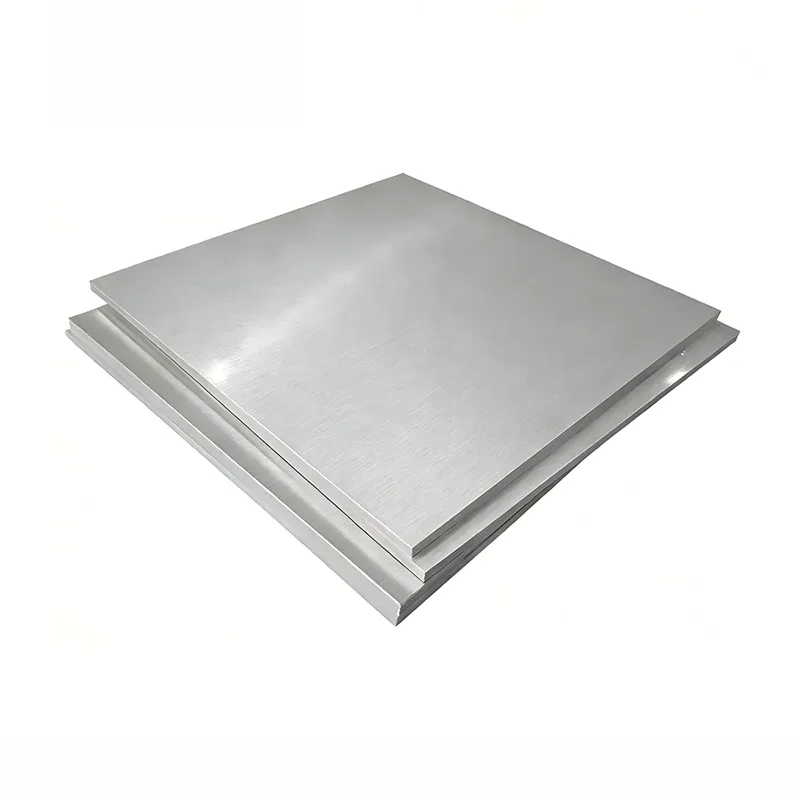
Aluminum alloy plates are manufactured by rolling aluminum with other alloying elements, creating a balance of strength, corrosion resistance, and workability. They are widely used in aerospace, automotive, construction, shipbuilding, and heavy machinery industries. Their lightweight nature reduces structural load while maintaining mechanical performance, making them ideal for both structural and functional components.
Shanghai Perfect Industry Co., Ltd. specializes in producing aluminum alloy plates with precise thickness, surface quality, and mechanical properties tailored for industrial applications.
Despite the advantages of aluminum alloy plates, customers often encounter challenges during selection and processing:
Addressing these issues requires careful alloy selection, professional consultation, and reliable material sourcing.
Aluminum alloy plates are categorized based on alloy composition, temper, and mechanical properties. Choosing the correct type is critical for achieving desired performance.
Selecting the appropriate aluminum alloy plate involves evaluating several factors to match performance requirements with manufacturing conditions:
Shanghai Perfect Industry Co., Ltd. provides technical support to help customers select the optimal alloy grade, thickness, and temper for their specific projects.
The performance of aluminum alloy plates depends not only on material selection but also on processing conditions. Key factors include:
Proper processing ensures dimensional accuracy, structural integrity, and long-term reliability.
| Alloy Series | Key Properties | Typical Applications | Advantages |
|---|---|---|---|
| 1xxx | High corrosion resistance, low strength | Food, chemical industry, roofing | Excellent corrosion resistance, easy to form |
| 2xxx | High strength, moderate corrosion resistance | Aerospace, defense, structural components | High mechanical strength, lightweight |
| 5xxx | Good strength, excellent corrosion resistance | Marine, chemical tanks, vehicles | Durable, corrosion-resistant in harsh environments |
| 6xxx | Good strength and corrosion resistance | Automotive, construction, machinery | Versatile, cost-effective, good weldability |
| 7xxx | Very high strength, moderate corrosion resistance | Aerospace, military, high-stress structures | Exceptional strength, ideal for lightweight structural applications |
Aluminum alloy plates are extensively used across industries due to their combination of strength, weight savings, and durability:
What makes aluminum alloy plates superior to regular aluminum?
Alloying elements enhance mechanical strength, corrosion resistance, and thermal performance, enabling broader industrial applications.
Can aluminum alloy plates be welded easily?
Yes, most aluminum alloys are weldable, but welding parameters must be adjusted based on alloy series and thickness.
How is corrosion resistance ensured?
Through alloy selection, surface treatment, and proper maintenance during storage and operation.
Are aluminum alloy plates suitable for large structural applications?
Yes, with proper alloy grade and temper, they provide reliable strength-to-weight ratios for large-scale structures.
Aluminum alloy plates offer unmatched versatility, combining lightweight properties, high strength, and corrosion resistance, making them suitable for a wide range of industrial applications. Proper alloy selection, processing control, and supplier reliability are key to achieving consistent performance and long-term durability.
Shanghai Perfect Industry Co., Ltd. provides premium aluminum alloy plates with technical support for customized specifications. If you want to optimize your production efficiency and product quality with high-performance aluminum alloy plates, contact us today to discuss your project and discover how our solutions can help you achieve your industrial goals.