As global manufacturing, infrastructure construction and renewable energy industries continue to develop, aluminum remains an important material in modern industrial supply chains. Its lightweight properties, corrosion resistance, thermal conductivity, recyclability and processing flexibility make it suitable for a wide range of applications, including construction, transportation, electrical equipment, machinery and energy systems.
The global aluminum industry is also evolving. Manufacturers increasingly require consistent material quality, accurate specifications, reliable supply and flexible purchasing options. Beyond standard materials, many seek suppliers that can provide different aluminum product forms according to their processing requirements and application needs.
Against this background, several key trends are shaping the industry, including growing demand for lightweight materials, wider applications of aluminum products, greater attention to sustainability and increasing demand for customized material solutions.
These developments are creating new opportunities for aluminum suppliers to serve diverse industries and international markets.
Lightweight design has become an important consideration in transportation, construction, industrial equipment and renewable energy. Compared with many traditional engineering materials, aluminum offers a combination of low density, strength and processing flexibility. When properly selected and designed, aluminum components can reduce structural weight while meeting specific performance requirements.
In the automotive and transportation sectors, aluminum is used in structural components, heat exchangers, body systems and mechanical parts. In renewable energy projects, it is widely applied in solar mounting structures, equipment housings and supporting components. Construction applications include architectural systems, roofing and curtain walls.
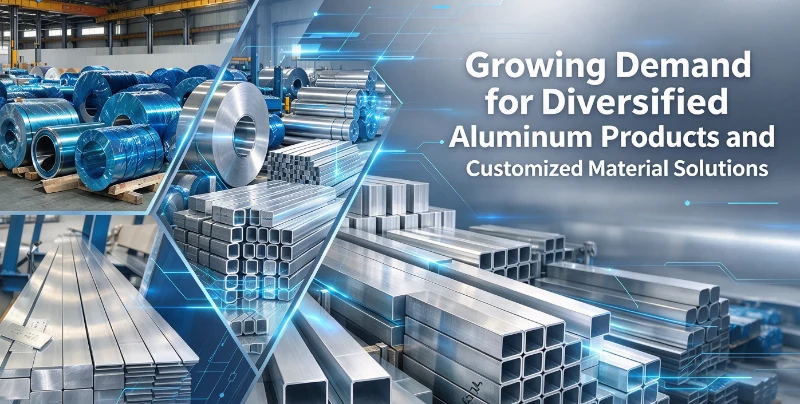
Demand extends across various aluminum product forms. Plates and sheets are used for structural panels and fabricated components, while aluminum blocks provide material for machining parts with specific dimensions. Bars and tubes support structural, electrical and mechanical applications.
As manufacturers optimize product design, material selection increasingly depends on the intended application rather than price alone. Alloy grade, temper, thickness, dimensions, machinability and corrosion resistance all influence the final decision.
For suppliers, understanding these requirements helps manufacturers identify suitable materials and improve processing efficiency.
Different manufacturing processes require aluminum materials in different shapes, dimensions and specifications. Aluminum plates, blocks, bars, tubes, coils and extruded profiles each serve distinct purposes across the industrial value chain.
Aluminum plates and sheets are widely used in machinery manufacturing, transportation equipment, construction, industrial enclosures and general fabrication. Depending on the alloy, thickness and temper, they offer different combinations of strength, formability, corrosion resistance and machinability. Accurate thickness and surface quality are particularly important for cutting, bending, welding and precision fabrication.
Aluminum blocks are commonly used in CNC machining, tooling, molds, fixtures and mechanical components. Their suitability depends on dimensional requirements, alloy characteristics and machining processes. For precision applications, consistent material properties and appropriate machining allowances help improve processing efficiency and component accuracy.
Aluminum bars and flat bars are used in electrical equipment, mechanical structures, support components and general engineering applications. Aluminum's electrical conductivity and relatively low density make it suitable for certain electrical systems, while flat bars provide practical options for fabrication and assembly. Product dimensions and mechanical or electrical properties should match the intended application.
Aluminum tubes are widely used in structural frameworks, industrial equipment, heat exchange systems and transportation components. Round, square and rectangular tubes offer different structural and installation advantages. Wall thickness, alloy grade, dimensional tolerances and surface condition are important considerations when selecting tubes for specific operating environments.
Aluminum coils support continuous processing and large-volume manufacturing. Common applications include roofing, cladding, insulation systems, transportation-related products and industrial fabrication. Coil width, thickness, temper and surface finish should match downstream processes such as slitting, roll forming and stamping.
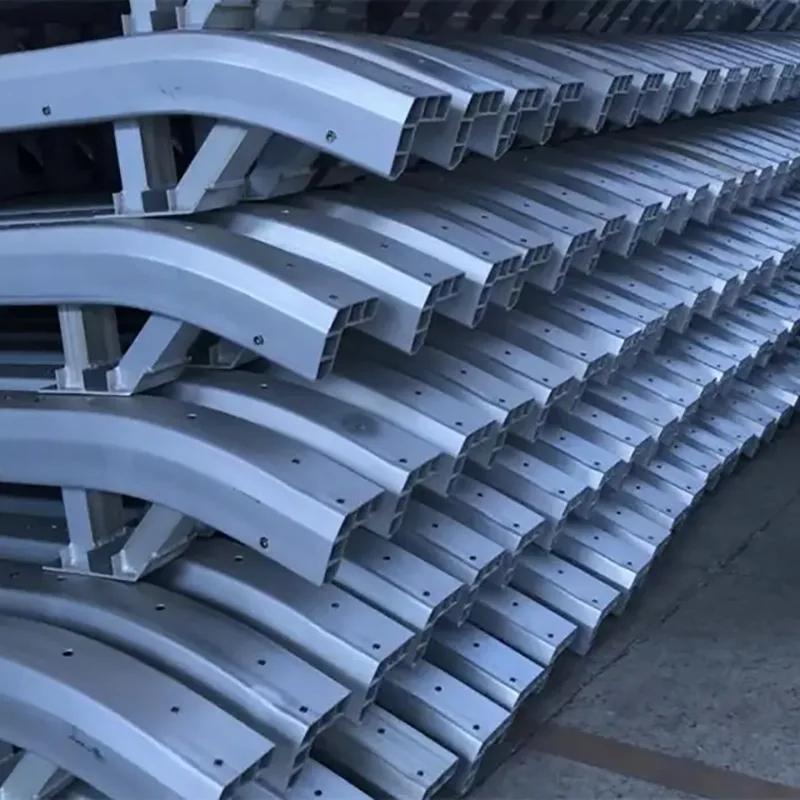
Produced through extrusion, aluminum profiles can feature a wide range of cross-sectional geometries. They are widely used in industrial frames, doors and windows, curtain walls, heat sinks, automation equipment and customized structural assemblies. Extrusion allows multiple functional features to be integrated into a single component, potentially reducing the number of parts required for assembly.
Together, these aluminum product forms provide flexible material options for different industrial requirements. A supplier offering multiple categories can also help simplify sourcing and coordinate material specifications across related projects.
Environmental responsibility has become an increasingly important consideration throughout the aluminum value chain. Manufacturers are paying closer attention to energy consumption, material efficiency, recycling practices and the environmental impact of production.
Aluminum can be recycled repeatedly without losing its fundamental metallic properties, provided that collection, sorting and remelting are properly managed. According to the International Aluminium Institute, producing recycled aluminum can require approximately 95% less energy than producing primary aluminum. Actual savings vary depending on the production route and recycling process.
Effective recycling requires appropriate alloy separation and quality control to ensure that recycled materials meet the requirements of their intended applications.
Sustainability considerations may also influence supplier selection, particularly when information about material origin, recycled content or product-related emissions is required. Environmental documentation and regulatory requirements vary according to the product and destination market.
Meanwhile, improving material utilization during cutting, machining and fabrication can reduce waste. Accurate material selection, optimized cutting plans and responsible scrap handling contribute to both production efficiency and resource conservation.
For aluminum suppliers, supporting sustainable manufacturing also means helping manufacturers select suitable specifications and avoid unnecessary material consumption.
As industrial applications become more specialized, manufacturers increasingly require aluminum products that meet precise technical specifications. Alloy composition, temper, dimensions, flatness, straightness and surface condition can all affect machining performance, assembly accuracy and final product quality.
Before placing an order, manufacturers may need to confirm the alloy grade, product dimensions, tolerances, mechanical properties, surface finish, quantity and applicable standards. Clear communication at this stage helps reduce specification errors and improve order coordination.
Customization is particularly important for projects involving multiple product categories. A single project may require aluminum plates for fabrication, blocks for CNC machining, tubes for structural components and profiles for assembly systems. Coordinating these requirements through one supplier, where available, can simplify sourcing and reduce administrative work.
Supply chain reliability is equally important. Production schedules, material availability, packaging, transportation and export documentation all influence delivery performance. Clear quotations, timely communication and realistic delivery arrangements help support smoother international transactions.
Appropriate packaging also protects aluminum products against scratches, deformation and other damage during storage and transportation. Packing methods should reflect product dimensions, surface requirements and shipping conditions.
Suppliers that combine product knowledge, responsive communication and reliable order coordination are better positioned to support long-term business relationships.
Shanghai Perfect Industry Co., Ltd. supplies a range of aluminum products for industrial manufacturing, construction, equipment production and other applications. Its product range includes aluminum plates, aluminum blocks, aluminum bars and flat bars, aluminum tubes, aluminum coils and aluminum profiles.
By offering multiple product categories, the company aims to support different material requirements and purchasing needs. Whether a project involves sheet-metal fabrication, machined components, structural assemblies, industrial equipment or customized extrusion profiles, selecting appropriate specifications is essential for achieving reliable results.
The company serves international markets including Russia, Kazakhstan, the United Arab Emirates, Turkey, India, Colombia, Australia and other regions. Its approach focuses on understanding material requirements, providing quotation support and coordinating supply according to agreed specifications.
For customized aluminum solutions, important considerations include alloy selection, dimensions, processing requirements, surface finish, quantity and delivery arrangements. Providing clear technical information at the inquiry stage helps establish a practical basis for quotation and order coordination.
Shanghai Perfect Industry Co., Ltd. aims to support diverse industrial and commercial applications through its range of aluminum products, clear communication and coordinated supply arrangements.
The aluminum industry continues to evolve alongside developments in manufacturing, construction, transportation and renewable energy. Growing demand for lightweight materials, wider applications of different aluminum product forms, increasing attention to recycling and higher quality requirements are shaping the industry's future.
Aluminum plates, blocks, bars, tubes, coils and profiles each play an important role in meeting these needs. Understanding their characteristics and selecting suitable specifications can help manufacturers improve production efficiency, manage material costs and achieve the required application performance.
As the market develops, cooperation between aluminum suppliers and industrial manufacturers will remain important. Shanghai Perfect Industry Co., Ltd. aims to support customers worldwide with a diverse range of aluminum products for applications across multiple industries.